What a session is
Small groups, and a coach who sees every pitch
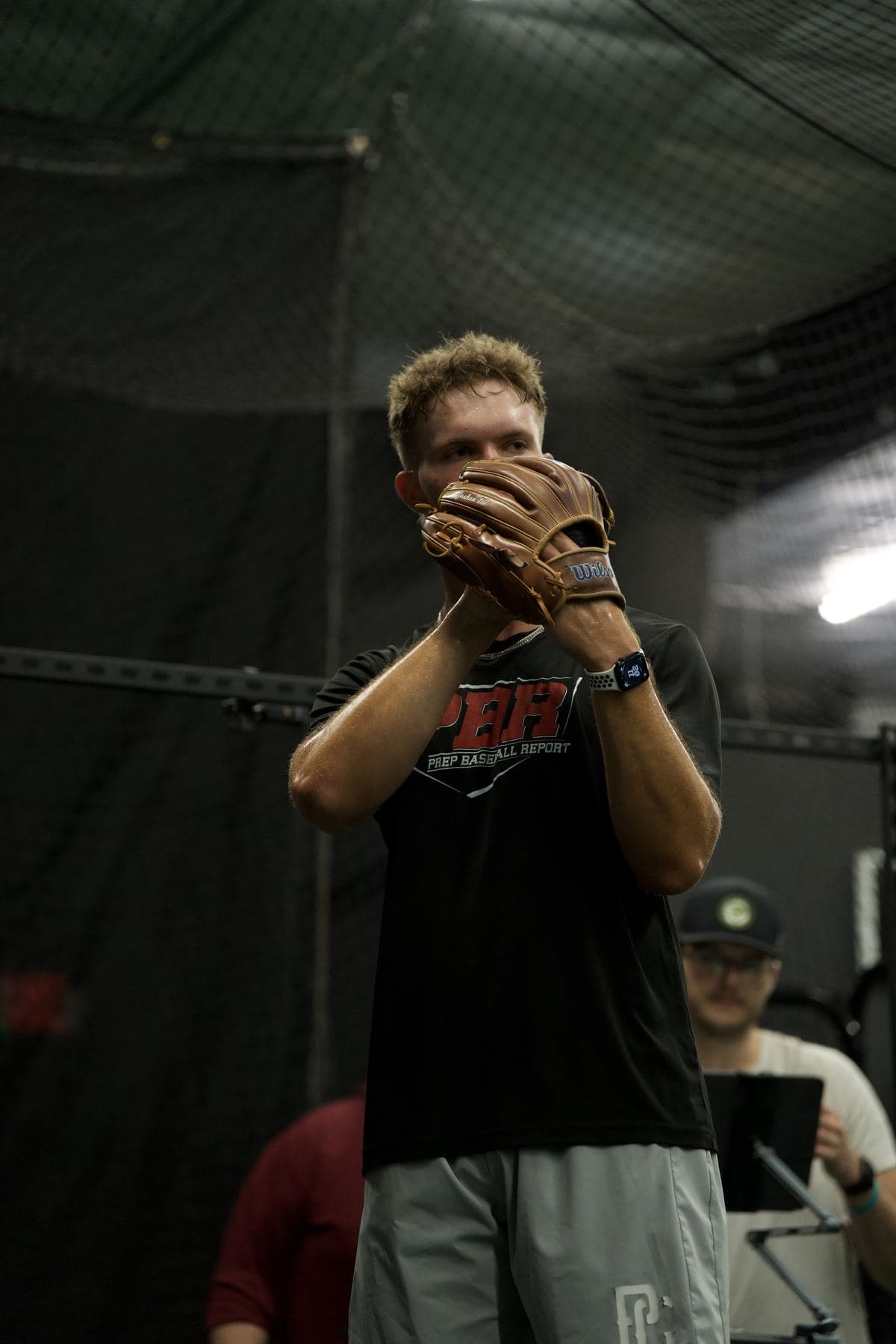
Athletes train in small groups rather than alone at a wall of nets. Every bullpen is on Trackman and the delivery is on video, so the feedback is specific and the athlete can see it.
Lessons
An hour a week with a good coach is worth something. It is worth a great deal more when the other six days have a plan attached to them, which is the part most pitching lessons leave out.
What a session is
Athletes train in small groups rather than alone at a wall of nets. Every bullpen is on Trackman and the delivery is on video, so the feedback is specific and the athlete can see it.
Between sessions
Every athlete is on a phase based throwing program with a start and an end, plus arm care built from a movement assessment run by a physical therapist. It lives on their phone, and their coach can see whether it is being done.
Where
Lexington at 949 National Avenue, Suite 118. Louisville at 13201 Data Vault Drive. Marion at 223 Sturgis Road. Same program, same standards, and you train at the one you can actually get to.
Ages
Youth pitchers from eight to twelve train in their own groups with a coach who is not also running a high school bullpen. From thirteen up it is the full program. PPL has trained more than 3,000 athletes, with more than 400 college commits and more than 50 who went on to play professionally.
The first one
Nobody signs up before we have seen them throw. The first thing is a free assessment: you come in, your athlete throws, and we tell you what we would actually work on and how long we think it would take. There is nothing to buy on the day and no pressure to decide in the building. If we do not think we are the right fit for your athlete right now, we will say that too, because a family who joins for the wrong reason leaves inside two months and everybody has wasted their time.
What we will not do
Velocity is a result, not a program. A pitcher who is thrown at a wall of weighted balls will often add a few miles an hour and then lose a season to an elbow, and we are not interested in that trade. Arm care is written from a movement assessment run by a physical therapist rather than handed out as the same band routine everyone gets, and the throwing volume moves with the season the athlete is actually in.
Not only pitchers
Pitching is the core of what we do, and it is not the whole of it. Catchers have their own program, position players train on a throwing program built for the arm slots they actually use, and athletes who cannot get to a facility can work with us remotely. If you are not sure which of those your athlete is, the free assessment sorts it out faster than a phone call will.
Questions parents ask
Three facilities in Kentucky: Lexington at 949 National Avenue Suite 118, Louisville at 13201 Data Vault Drive, and Marion at 223 Sturgis Road.
Yes. PPL is expanding into central Indiana and exploring central Ohio. If you are not near one of our facilities yet, athletes can train with us remotely, and you can send a clip of a delivery for a free written breakdown in the meantime.
No. The first thing is a free assessment. It costs nothing, there is nothing to buy on the day, and you leave knowing what we would work on.
Eight and up. Youth pitchers aged eight to twelve train in their own groups, and from thirteen up athletes are on the full program.
Small groups, with a coach watching every pitch. That is deliberate. It gives an athlete time to work between reps and it is how the coach sees a pattern rather than a single throw.
Most athletes train once or twice a week in the building, and the throwing program covers the days in between. The right number depends on their season, their age and how much they are already throwing for a team, which is one of the things the free assessment is for.
No. Pitching is the core of it, and PPL also runs a catchers program and a throwing program for position players. If your athlete plays somewhere other than the mound, come to the free assessment and we will tell you what we would do with them.
PPL works with athletes remotely, and you can also send a clip of a delivery and get a written breakdown back from a coach without joining anything. Neither one replaces being in the building, and both are better than guessing on your own.
Eight to twelve year olds train in PPL Youth, which is its own program with its own groups and its own coaches rather than a smaller version of the adult one.
Thirty minutes at whichever facility is closest. We watch, we tell you the truth, and you decide.
Book the free assessment